October 27, 2026
Tree Removal Metairie for Homeowners Managing Mature Tree Risks
By @trentonimcx389


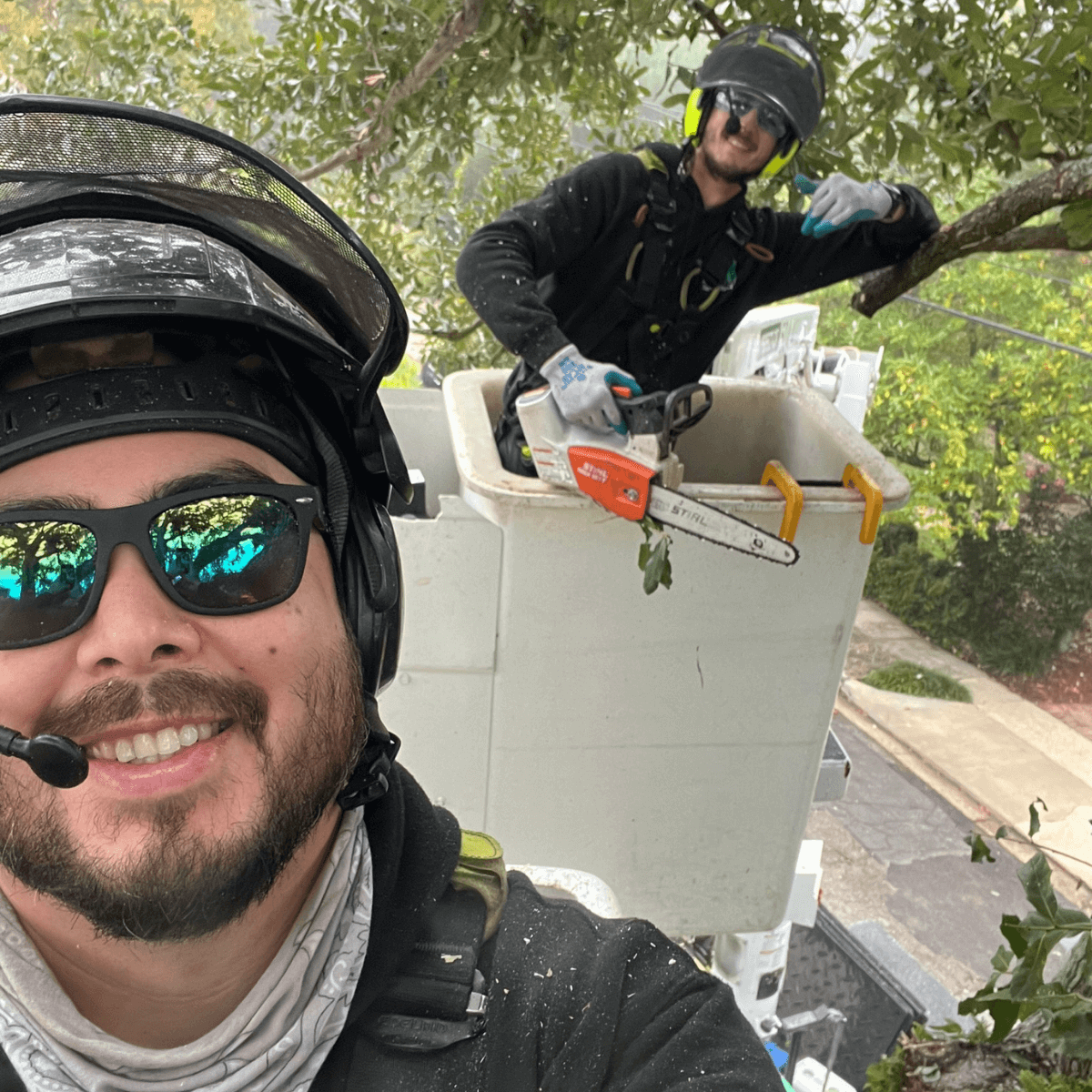
Mature trees give a property stature. They cool the yard, frame the house, soften traffic noise, and make a lot feel settled in a way that young landscaping never can. In Metairie, they also come with a level of responsibility that catches some homeowners off guard. A live oak that looked solid for decades can start dropping heavy limbs after a wet season. A pine can lean a little more each year until one hurricane warning changes the conversation from maintenance to urgency. A root flare hidden under mulch can conceal decay until the trunk starts sounding hollow under a mallet.
That is the hard truth behind tree removal metairie tree removal in older neighborhoods. The same large trees that make a property attractive can become the heaviest moving parts on the lot. Once a mature tree declines, every branch over a roofline, fence, driveway, or service line turns into a liability question.
For homeowners thinking about tree removal Metairie is a very specific setting. South Louisiana weather, dense residential lots, clay-heavy and often saturated soils, and the region’s storm patterns all shape how trees fail and how removal work must be planned. You are not dealing with a clean suburban site where a crew can drop a trunk into a wide backyard. Many homes in Metairie sit close to property lines. Trees often stand near slab foundations, detached garages, fences, sheds, pools, and overhead utilities. The decision is rarely just “should this tree go?” More often it is “how much risk is acceptable, what can be preserved, and what is the safest way to handle it?”
Why mature trees become riskier with age
Age alone does not make a tree dangerous. I have seen old oaks in excellent condition and much younger trees that should have come down years earlier. What matters is structural integrity, species habits, site conditions, and maintenance history. Still, as trees mature, defects have more time to develop and more weight to carry.
In Metairie, trees are exposed to repeated stress. Saturated ground can weaken root systems. High winds can open old branch unions. Pruning mistakes from years back can leave large wounds that never compartmentalized well. Construction can sever roots without the homeowner connecting a patio project from ten years ago to the thinning canopy they see now.
Large shade trees also create a scale problem. A ten-inch limb falling from a forty-foot height is not yard debris. It can crush a fence, shatter a carport, punch through a roof deck, or injure someone standing below. That reality changes the threshold for action. A homeowner might tolerate cosmetic decline in a backyard ornamental. They should think very differently about a mature tree with decay over a bedroom wing or a play area.
One of the biggest mistakes people make is waiting for certainty. Trees rarely announce their failure on a tidy schedule. You often get a cluster of clues instead: less leaf-out than usual, mushrooms at the base, cracks where two leaders meet, bark sloughing off one side, fresh deadwood after a moderate storm. None of those signs on its own proves immediate failure. Together, they suggest the tree deserves a serious assessment.
The warning signs that deserve prompt attention
Most homeowners are not arborists, and they do not need to be. What they do need is a practical eye for changes that move a tree from “watch it” to “call someone now.” A few signs show up again and again on higher-risk removals.
- A new lean, especially after heavy rain or wind, or soil heaving near the base
- Large dead limbs in the upper canopy, not small twigs but scaffold branches
- Visible cavities, trunk cracks, or seams where major stems join
- Fungal growth at the root flare or on the lower trunk
- Repeated branch drop during ordinary weather, not just major storms
The context matters as much as the symptom. A cavity in a tree out by the rear lot line may be manageable with monitoring. The same cavity in a tree hanging over the house is a different conversation. I have seen homeowners underestimate this because the canopy still looked green. Vigor and structure are not the same thing. A tree can leaf out and still be unsound.
Species matters too. Some trees mask decline well until failure is close. Others shed limbs as part of their growth habit, which can make routine branch drop seem less alarming than it should. Local experience is valuable here. A contractor familiar with tree removal Metairie conditions will usually recognize patterns tied to local soils, storm exposure, and common planting mistakes.
Storm country changes the risk calculation
If you live in Metairie long enough, you stop talking about storms as rare events. They are part of the planning calendar. That reality should shape tree decisions well before a named storm enters the Gulf.
A tree with a known defect is not just a risk on the worst weather day of the decade. It is a risk during the long lead-up to storm season, when saturated soils, gust fronts, and summer thunderstorms steadily test weak roots and heavy limbs. Trees often fail before the main event. The rain softens the ground, the wind loads the canopy, and a root plate starts to move.
This is why preventive removal sometimes makes more sense than repeated trimming. If the underlying problem is trunk decay, codominant stems with included bark, or compromised roots, thinning the canopy may buy time but not solve the hazard. Homeowners often prefer pruning because it feels less drastic and usually costs less up front. That can be a reasonable choice when the tree is fundamentally sound. It becomes false economy when the tree is structurally compromised and located where failure would be expensive or dangerous.
A practical example: an aging water oak leaning over a driveway and front roof may survive another two years. It may also split in a summer storm that barely makes the news. If the trunk shows a vertical seam and one side of the crown is already sparse, the better decision may be controlled removal during normal scheduling, not emergency removal after impact. Planned work is almost always cleaner, safer, and less costly than storm-response work.
When pruning is enough, and when removal is the responsible call
Homeowners often ask where the line is. There is no single rule, but the decision usually turns on three things: the severity of the defect, the target beneath the tree, and the likelihood that the problem will progress.
Pruning can be enough when the tree has localized deadwood, minor canopy imbalance, or selective limb issues that do not reflect whole-tree failure. Crown reduction and end-weight reduction can lower wind load on certain trees when done correctly. Cabling or bracing may help preserve a specimen with high value if the defect is specific and the tree is otherwise in good condition.
Removal becomes the responsible call when the structure is failing at the trunk or root level, when defects are multiple rather than isolated, or when the consequences of failure are too high to justify delay. Root damage near a foundation, a hollow trunk beneath a heavy canopy, extensive decay in a main union, or chronic branch failure over occupied areas usually push the decision toward removal.
There is also the issue of site limitations. On some lots, even a moderate tree defect is unacceptable because there is no safe drop zone and no room for error. In tight neighborhoods, a compromised tree may overhang two houses, a shared fence, and utility service. A homeowner may love the shade, but if the safety margin is gone, sentiment should not outrank physics.
What makes tree removal in Metairie more complex than people expect
The phrase “tree removal” sounds simple until you watch a skilled crew dismantle a sixty-foot tree in sections between power lines and a roof. In Metairie, removals often require rigging, controlled lowering, careful climbing, or crane coordination rather than straightforward felling.
Tight access is common. Gates may be narrow. Backyard drainage may be soft. Decorative pavers, irrigation lines, and outdoor kitchens can limit equipment placement. Some removals have to be pieced out by hand because the lot simply cannot support heavy machinery without causing more damage than the tree itself.
Utilities add another layer. Service drops to homes, nearby distribution lines, and communication cables often run through mature canopies. Homeowners sometimes assume every tree company can handle this. That is a dangerous assumption. Utility conflicts require specific planning, and in some cases coordination with the utility provider. The wrong cut in the wrong place can turn a property job into a public safety problem.
Then there is debris volume. A large mature tree does not disappear because it is cut down. Wood has to be lowered, stacked, chipped, hauled, or milled. Stumps have to be addressed separately if you want the area replanted, graded, or built on later. On storm-damaged trees, the wood can be twisted and under tension, which increases danger during cutting.
The real cost of waiting too long
Many homeowners postpone removal because they worry about the immediate expense. That instinct is understandable. Mature tree work can be costly, especially when access is difficult or a crane is needed. But waiting can multiply the bill in ways people do not anticipate.
Emergency removal after a storm typically costs more than scheduled work. Property damage is the obvious expense, but there are secondary costs too: roof repairs, fence replacement, water intrusion, disrupted electrical service, insurance deductibles, hotel stays if the home becomes temporarily unsafe, and the inconvenience of dealing with everything at once. Even without a full failure, repeated cleanup from branch drop adds up.
There is also a legal and insurance angle. If a homeowner knew a tree was failing and ignored clear warning signs, disputes can become more complicated after damage occurs. Policies vary, and every claim depends on the facts, but it is never helpful to have a paper trail showing known hazards were left unaddressed.
I remember one case involving a backyard pecan that had dropped two substantial limbs in the previous year. The owner cleaned up both incidents and kept putting off an evaluation. The third failure landed on the rear corner of the house during a routine thunderstorm, not even a hurricane. The repair costs ended up dwarfing what a planned removal would have been. The owner’s first comment afterward was the one I hear most in these situations: “I didn’t think it would happen that fast.”
How a professional assessment should work
A good assessment is not a sales pitch disguised as expertise. It should feel observational, specific, and grounded in the tree in front of you. The contractor or arborist should look at the root flare, trunk, scaffold branches, canopy density, old pruning aperfectcuttree.com tree removal metairie cuts, recent soil changes, and targets beneath the tree. They should ask about branch-drop history, storm damage, and any site work that may have disturbed roots.
If removal is recommended, the explanation should be clear. Homeowners deserve more than vague phrases like “it looks bad.” You should hear what the actual defect is, why it matters, and whether pruning or monitoring was considered. If the tree could reasonably be retained with management, that should be part of the conversation too.
For homeowners comparing estimates, it helps to understand what materially changes price. Height and trunk diameter matter, but so do access, rigging difficulty, proximity to structures, hauling volume, stump work, and whether utility coordination is involved. Two bids that look far apart on paper may not be quoting the same scope.
A useful set of questions to ask before signing anything includes the following:
- Will the tree be climbed, lifted by crane, or removed with bucket access
- What protections will be used for the lawn, driveway, and nearby structures
- Is haul-off included, and what happens to large trunk wood
- Is stump grinding included or priced separately
- How will the crew handle utility conflicts and permit needs, if any apply
That small checklist often reveals whether you are comparing true professionals or simply comparing numbers.
Stump decisions are not an afterthought
Once the tree is gone, homeowners often realize the stump question matters more than they expected. Leaving a stump can be acceptable in low-traffic naturalized areas, but in most residential yards it becomes an obstacle, a trip hazard, and a maintenance annoyance. It can also attract insects and fungi as it decays.
Grinding is the usual solution when the goal is to restore usable space. The depth needed depends on what comes next. If you are laying sod, typical grinding may be enough. If you plan to replant a tree nearby, install hardscape, or correct drainage, you may need a more deliberate plan because roots, soil settling, and old wood chips all affect the site.
There is also a design question. Many homeowners want another tree in the same location right away. That is not always wise. The old root system may still dominate the soil area, and if the previous tree failed because the site was poor, repeating the same species choice can recreate the same problem over time. A better replacement strategy might shift the planting location, choose a more suitable species, or reduce the mature size to better fit the lot.
Choosing a replacement tree with less long-term risk
Removing a mature tree can feel like a loss, especially if it shaded the house or anchored the front yard visually. Still, replacement is an opportunity to improve the property for the next twenty years rather than recreate the last twenty.
The best replacement tree is not always the fastest-growing one. Fast growth often comes with weaker wood, poor branch structure, or shorter life expectancy. In a place like Metairie, it pays to think about mature canopy spread, root behavior, storm resilience, and distance from structures. A tree that fits the site from the beginning needs less corrective pruning and poses fewer problems later.
Smaller ornamental trees can be the smarter choice near patios, driveways, and tight side yards. Larger shade trees still have their place, but they need room, proper pruning from an early age, and realistic spacing from roofs and utilities. Homeowners who are replacing one removed tree with several smaller well-placed trees often end up with better shade distribution and lower future risk.
Timing matters more than people think
Technically, hazardous trees should be removed when the hazard is identified, but for non-emergency cases timing still matters. Dry weather can improve yard access and reduce rutting from equipment. Scheduling before peak storm season can lower the chance of a tree failing while you are still “meaning to deal with it.” Deciduous trees may be easier to assess structurally in a less leafy state, while evergreens and live oaks call for different visual cues.
There is also the contractor calendar to consider. After major weather events, reputable companies are often overloaded. Homeowners who wait until every neighbor is also trying to schedule work can face longer lead times and less flexibility. If you already suspect a tree is becoming unsafe, the best time to act is usually before urgency removes your options.
A calm, practical approach serves homeowners best
There is no need to panic every time a mature tree drops a limb or shows age. Trees are living structures, and some defects can be managed. But there is equal danger in sentimental delay, especially in older Metairie neighborhoods where large canopies stand close to valuable structures.
A sound approach is steady and practical. Notice changes. Take repeated branch drop seriously. Get a qualified opinion when a tree leans, cracks, hollows, or declines unevenly. Ask direct questions about the actual defect and the real alternatives. If removal is warranted, treat it as a controlled risk-management decision, not a failure of stewardship.
For many homeowners, tree removal Metairie decisions come down to preserving what can be preserved and removing what can no longer be trusted. That balance is part of living with mature landscapes. The goal is not to clear every big tree from the yard. The goal is to keep the property safe, usable, and resilient, with the kind of judgment that respects both the beauty of trees and the damage they can do when their time is up.
A Perfect Cut Tree Service
4725 Shores Dr, Metairie, LA 70006
+1 504-732-0779
FAQ About tree removal metairie
What is the average cost of tree removal in my area?
There is no single price that fits every tree. Size, condition, access, nearby structures, equipment, debris hauling and stump work affect the estimate. Request a written, site-specific quote that identifies what is included.
Who will remove trees for free?
Free removal is not generally available for ordinary private-property tree work. Utilities or public agencies may handle trees within their responsibilities. Confirm eligibility directly and do not assume that an offer or assistance program covers your tree.
Can I just cut down a tree in my yard?
Check ownership, location and local requirements first. Jefferson Parish requires a permit for removal of qualifying vegetation in the public right-of-way, and additional protections may apply in designated areas. Ask the parish about your property and have a qualified tree professional assess the work.
❧