October 27, 2026
How to Schedule Hassle-Free Tree Removal Metairie Services
By @trentonimcx389
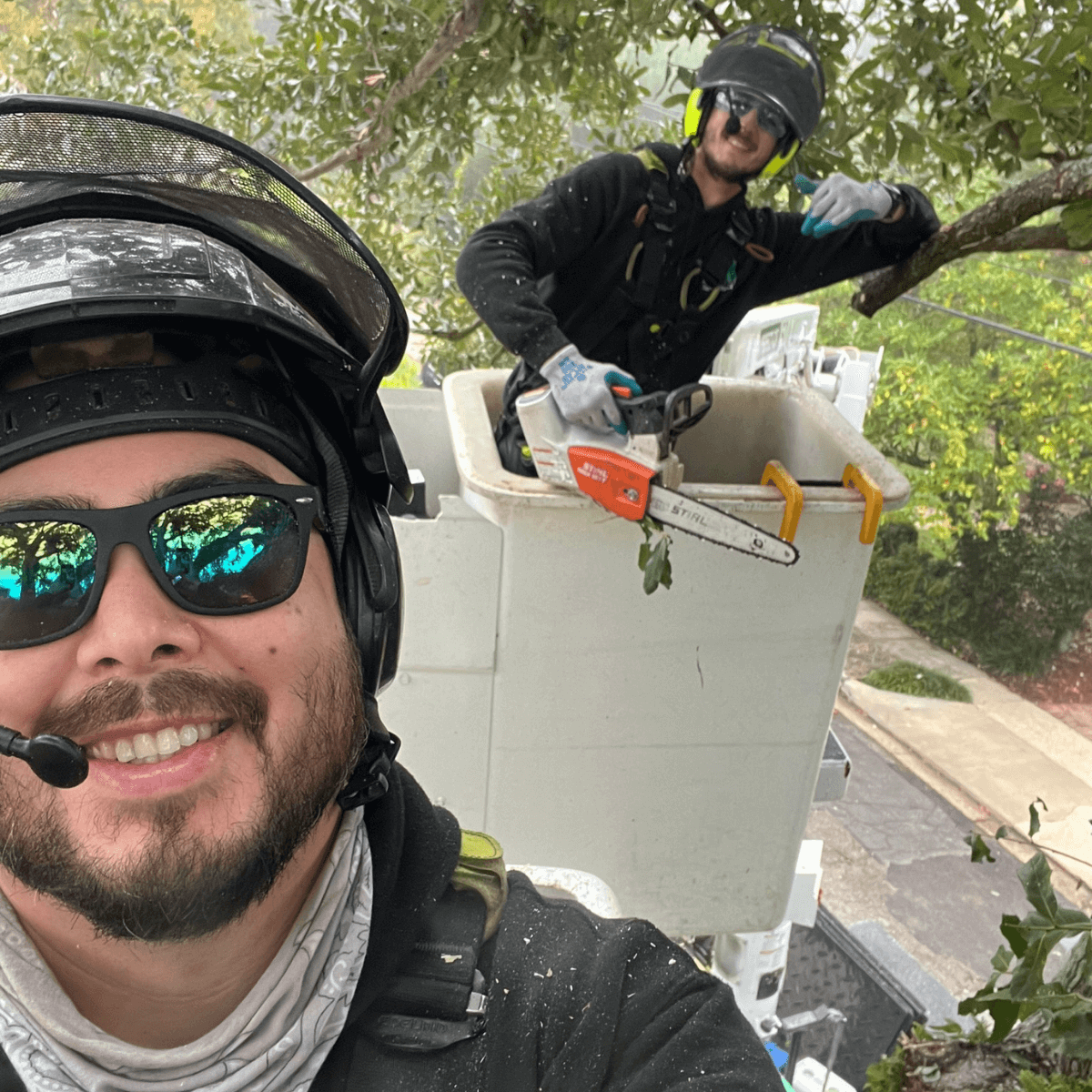
If you have ever tried to get a tree removed after a storm warning, during peak hurricane season, or right after a large limb lands near a driveway, you already know the hardest part is often not the cutting. It is the scheduling. Homeowners in Metairie usually call when something has become urgent, but the smoothest projects are almost always the ones planned a little earlier, with clear site access, realistic timing, and the right questions asked upfront.
Tree work looks simple from the street. A truck pulls up, a crew unloads saws, and by the afternoon the tree is gone. In practice, every removal has moving parts. There is equipment access, utility awareness, permit questions in some situations, neighbor proximity, debris hauling, stump decisions, and weather that can change a straightforward half-day job into a postponement. When people say they want hassle-free service, what they usually mean is no surprise costs, no missed appointments, no damaged lawn, and no confusion about what happens to the wood and brush afterward.
That is completely achievable with the right preparation. If you are arranging tree removal Metairie homeowners can count on, a little planning on the front end makes the entire process cleaner, safer, and faster.
What makes tree removal scheduling harder in Metairie
Metairie has its own set of conditions that shape tree work. Lots can be tight. Mature live oaks and other established trees often sit close to homes, fences, sheds, and overhead lines. Backyards may only have one narrow side gate. In older neighborhoods, root systems can run under driveways, patios, and utility routes. Add Louisiana weather, especially heavy rain and wind events, and schedules can shift quickly.
A job that sounds simple over the phone can look very different once a crew arrives. For example, a small ornamental tree near the curb may be a fast removal. A large backyard tree leaning over a roof with no bucket truck access is an entirely different operation. That second job may require climbing, rigging, extra ground protection, and more cleanup time. It is still manageable, but it needs to be scheduled with the right crew and equipment.
This is why the first conversation matters so much. Companies that ask detailed questions early are not being difficult. They are trying to prevent the exact issues that cause delays and frustration later.
Start with the real goal, not just the tree
People often call and say, “I need this tree gone,” but there are usually a few different goals underneath that statement. Sometimes the priority is safety because the trunk is split or the root plate is lifting. Sometimes it is a renovation project and the tree is in the way of a new fence, pool, or driveway extension. Sometimes the issue is repeated limb drop over parked cars, clogged gutters, or roots pushing into hardscape.
When you explain the actual reason for removal, scheduling gets easier because the arborist or estimator can recommend the right timing. If a tree is immediately hazardous, they will likely push for a quicker assessment. If the removal is tied to another contractor’s timeline, such as a roofing or paving project, they can help sequence the work so you are not left waiting on one trade while another sits idle.
I have seen homeowners lose a week simply because they scheduled stump grinding before a fence panel was removed for equipment access. I have also seen people pay for extra labor because they did not mention a backyard shed blocked the removal path. The more honest detail you provide, the smoother the calendar becomes.
The first call should answer five practical questions
Before you start calling companies, stand outside and look at the tree from a crew’s perspective. You do not need expert terminology. Plain language is enough. What matters is that you can describe the site clearly.
Here are the questions that help a scheduler place your job correctly:
- Where is the tree located, front yard, side yard, backyard, or along a fence line?
- Is it close to structures, utility lines, a pool, or neighboring property?
- Can heavy equipment reach it through a gate or driveway?
- Do you want only the tree removed, or also stump grinding and full debris haul-off?
- Is the job routine, time-sensitive, or an emergency after storm damage?
A homeowner who can answer those five questions usually gets a more accurate estimate window and a more realistic service date. Without that information, you may get a placeholder appointment that changes once the crew sees the site.
Why photos save time
Good photos are one of the simplest ways to speed up scheduling. A clear wide shot from the street or yard, plus a few close-ups showing the trunk, lean, canopy spread, and nearby obstacles, can tell an estimator a great deal. Photos help identify whether a bucket truck might work, whether climbing is more likely, and whether there are visible hazards such as split leaders, decay pockets, or tensioned limbs.
They also help filter out impossible assumptions. More than once, a homeowner has said, “There’s plenty of room,” only for the images to show a narrow side yard with HVAC equipment, low eaves, and a freshly installed paver walkway. That does not mean the job cannot be done. It just means the crew needs to plan for protection and manual carrying, which affects how the work is scheduled.
When you send photos, include one image that shows scale. A parked vehicle, fence section, or story of the house helps give size context. If the tree is behind the home, note where the best access point is. These are small details, but they cut down on back-and-forth.
Choose the right time of year, when possible
Not every removal can wait, but if your tree is not dangerous, timing can make the process easier and sometimes less rushed. In Metairie, demand often spikes after major storms, during hurricane prep, and after extended periods of heavy rain when weakened trees start showing symptoms. During those windows, reputable companies may be juggling true emergencies, insurance-related jobs, and widespread cleanup.
If your tree has been a known issue for months, it is smart to book before storm season ramps up. That gives you more flexibility with appointment slots and often a calmer decision-making process. You also avoid competing with last-minute callers who suddenly want multiple removals done before a named storm arrives.
Weather itself matters too. A saturated yard can delay heavy equipment, especially if there is concern about rutting or lawn damage. Wet conditions can also slow debris handling and make climbing decisions more conservative. A good company will not force a job through unsafe conditions just to keep the calendar full. That may feel inconvenient in the moment, but it is usually a sign of professionalism rather than poor service.
What a reliable estimate process looks like
There is a noticeable difference between a company that merely prices removals and one that manages them well. A reliable estimate is not just a number. It is a scope of work. You should come away understanding what will happen, how the crew expects to access the site, and what is included in cleanup.
A professional estimate discussion usually covers whether the entire tree is being removed to ground level, whether stump grinding is separate, what happens to the wood, and whether lawn protection is planned. If the tree is near a house or power service drop, the estimator should mention how that risk is handled. If crane work or specialty equipment might be required, that should be disclosed early.
This is also the moment to ask about timing. Not “Can you come tomorrow?” but “What is your typical lead time for a job like this, and what could change that?” That phrasing tends to get a more useful answer. Many homeowners hear an optimistic date and treat it like a guarantee, only to feel blindsided when rain, emergency calls, or permit-related issues shift the schedule.
A company that schedules tree removal Metairie residents appreciate is usually careful with language. They distinguish between an estimate appointment, a projected service window, and a confirmed work date. That clarity is one of the best predictors of a hassle-free experience.
Price matters, but scope matters more
It is natural to compare quotes. You should. But tree removal bids are not always apples to apples. One company may include haul-off, rake-up, and log removal. Another may leave large wood on site. One may include stump grinding. Another may price it separately. One may plan to protect the driveway from heavy loads, and another may assume standard access with no special measures.
That is how a lower number becomes an expensive misunderstanding. I have seen homeowners accept the cheapest proposal, tree removal metairie A Perfect Cut Tree Service then discover after the tree was down that the stump remained, the brush pile filled half the curb, and the lawn repair was on them. None of that was technically dishonest if it was omitted from the scope, but it was avoidable.
Ask for plain wording. Will all debris be removed? Will the crew cut wood into firewood lengths if requested? Is the final surface flush to grade, or does stump grinding need a second appointment? Will there be plywood or mats if equipment crosses soft ground? The clearer the written scope, the easier the scheduling and the fewer the surprises.
Preparing your property before the crew arrives
This is where many smooth jobs become messy ones. The crew can only work efficiently if the site is ready. Homeowners sometimes think preparation means staying out of the way. That helps, but a little more effort goes a long way.
Move vehicles well clear of the work zone and any access route. Unlock gates. Bring in potted plants, hoses, decorations, and lightweight patio furniture that sit near the drop area or path to the chipper. If you have pets, make a plan to keep them securely inside and away from noise and open gates. If irrigation lines, septic features, or delicate landscape lighting are close to the tree, point them out before work begins.
If the tree sits near a property line, it is also wise to give neighbors a courtesy heads-up. They do not need a technical briefing. A simple note that a tree crew will be on site, with trucks and saw noise for part of the day, prevents unnecessary tension. In tight neighborhoods, that kind of communication can matter as much as the work itself.
Two decisions that often slow scheduling
Some projects stall because homeowners have not made two basic decisions: what to do about the stump, and what to do with the wood. These sound minor, but they affect equipment, labor, and sometimes whether the job can be completed in one visit.
Stump grinding is often handled at the same time if access is straightforward, but not always. If the stump is in a fenced backyard or near utilities, the company may need a different machine or a second crew. Likewise, wood disposal can take different forms. Some homeowners want every piece hauled away. Others want trunk sections left for milling, firewood, or personal use. Those choices affect truck space, crew time, and scheduling.
If you are undecided, say so early. It is easier to price options in advance than to change the plan after the tree is already on the ground.
Watch for signs of a scheduling problem before you hire
Most homeowners can spot obvious red flags, such as a company that refuses to provide written details. The trickier issues are the smaller signs that a job may become difficult to manage.
Pay attention to how the office handles communication. Do they answer direct questions with vague promises, or with realistic timeframes? Do they ask enough about the site to understand what they are booking? Do they explain what might cause delays? Good scheduling is rarely flashy. It shows up as organized, consistent communication.
These warning signs deserve attention:
- No written scope of work, only a verbal price
- No questions about access, utilities, or nearby structures
- Pressure to commit immediately without clarifying details
- A guaranteed date despite active storm weather or obvious uncertainty
- Unclear cleanup terms, especially for logs, chips, or stump work
None of these guarantees a bad experience, but several together usually mean the company is prioritizing fast sales over clean execution.
Emergency removals follow different rules
If a tree has fallen, split, or started lifting at the roots, the scheduling process changes. Safety comes first. Keep people away from the area, especially if limbs are hung up under tension or if the tree is touching power lines. If utility lines are involved, contact the utility provider and emergency services as appropriate before you worry about the removal calendar.
Emergency tree work often runs on triage. Companies sort calls based on severity, access, and whether structures or roads are blocked. That means your urgency may feel personal, but crews must prioritize life safety and active hazards first. A tree lying harmlessly in an open yard may wait while a smaller limb pressing on a service line is handled earlier.
The best thing you can do in an emergency is provide concise, useful information. Describe whether the tree is on a structure, whether power is affected, whether the trunk is still standing, and whether access is clear for trucks. Send photos if it is safe. Avoid walking under damaged limbs just to get a better angle. A scheduler can work with imperfect images. They cannot work with an injured homeowner.
What “hassle-free” cleanup should actually mean
Cleanup is where expectations often diverge. To a crew, cleanup may mean all brush chipped, logs loaded, and sawdust blown from hard surfaces. To a homeowner, it may also mean no deep ruts, no stray twigs in planting beds, no wood rounds left behind, and no confusion about the stump. Neither view is wrong, but they need to be aligned before the work date.
Ask how the company handles the final pass. Will they rake lawn areas? Blow off the roof if light debris lands there? Remove all chips or leave some if you want mulch? If the tree was over a garden bed or gravel area, understand that perfect restoration may not be realistic on the same day, especially after wet weather. A good contractor will be honest about that rather than overpromising.
The smoothest projects happen when the crew knows what “finished” looks like to you. If you care about preserving a newly sodded side yard or avoiding marks on a decorative driveway, say so before the job is scheduled. Those concerns can often be accommodated, but only if they are part of the plan.
Permits, utilities, and the questions people forget to ask
Not every tree removal requires a permit, and requirements can vary by municipality, neighborhood rules, and the nature of the tree. That is why it is important not to assume. If you live in a community with an HOA, or if the tree sits near a shared line or public right-of-way, mention that early. Delays often come from paperwork or approvals that were never considered until the day before the job.
Utility awareness is just as important. A tree near overhead electrical service, cable, or communication lines is not a casual removal. Likewise, underground lines matter for stump grinding and equipment placement. Marking and coordination may be needed depending on the situation.
A company with local experience in tree removal Metairie properties demand will usually know which questions to raise. Even so, the homeowner should not rely on assumptions. Clarify responsibilities. Ask who is checking what, and when.
How far in advance should you book?
For routine removals, a lead time of several days to a few weeks is common, depending on the season, weather, and size of the job. Large or technical removals may take longer if specialty equipment is needed. After storms, schedules can back up fast. What matters most is not chasing the absolute earliest date, but getting a realistic one and confirming the process around it.
A strong scheduling conversation usually answers three timing questions. First, when will the estimate happen? Second, once approved, what is the expected service window? Third, how and when will the company confirm the actual work day? If those three points are clear, most of the stress disappears.
If your timeline is tied to another project, say that directly. For example, if a roofer is coming next Tuesday or a fence installer starts in ten days, the tree crew needs to know. They may not be able to guarantee the preferred slot, but they can often tell you immediately whether the timeline is realistic.
The final check before the crew starts
When the service date arrives, take five minutes to walk the plan with the crew lead if possible. Confirm the tree or trees to be removed, any exclusions, stump instructions, and where equipment will enter. Mention any irrigation heads, shallow drains, or fragile surfaces one more time. This is not micromanaging. It is simple coordination.
Most problems on tree jobs are not caused by bad cutting. They come from small assumptions. The wrong gate. The wrong stump. The log pile left where a homeowner wanted parking restored. A brief conversation at the start prevents hours of aggravation later.
Scheduling does not need to be complicated, even for a large removal. The key is to replace vague urgency with useful detail. A company can work around weather, access limits, and even difficult tree geometry if they know what they are walking into. The homeowners who have the easiest experience are usually not the luckiest ones. They are the ones who describe the job clearly, ask practical questions, and treat scheduling as part of the project rather than a formality.
That approach turns tree removal from a stressful scramble into a controlled, well-run service call, which is exactly what most Metairie property owners want in the first place.
A Perfect Cut Tree Service
4725 Shores Dr, Metairie, LA 70006
+1 504-732-0779
FAQ About tree removal metairie
What is the average cost of tree removal in my area?
There is no single price that fits every tree. Size, condition, access, nearby structures, equipment, debris hauling and stump work affect the estimate. Request a written, site-specific quote that identifies what is included.
Who will remove trees for free?
Free removal is not generally available for ordinary private-property tree work. Utilities or public agencies may handle trees within their responsibilities. Confirm eligibility directly and do not assume that an offer or assistance program covers your tree.
Can I just cut down a tree in my yard?
Check ownership, location and local requirements first. Jefferson Parish requires a permit for removal of qualifying vegetation in the public right-of-way, and additional protections may apply in designated areas. Ask the parish about your property and have a qualified tree professional assess the work.
❧